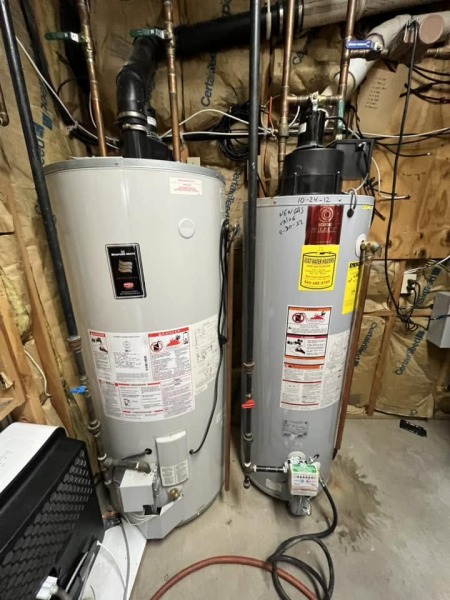
The U.S. Department of Energy has finalized new energy efficiency standards for residential water heaters, and starting May 6, 2029, the water heaters available for purchase are going to look different than what's on the market today. What's Actually ChangingThe short version: the DOE is raising the minimum efficiency bar for water heaters sold in the U.S., and the biggest impact falls on electric storage tank water heaters. Here's how it breaks down: Electric Water Heaters Over 35 Gallons This is the big one. Electric storage water heaters larger than 35 gallons will be required to use heat pump technology instead of traditional electric resistance elements. Heat pump water heaters work differently than the tank you probably have now — instead of heating water directly with electric coils, they pull heat from the surrounding air and transfer it into the water, similar to how a refrigerator works in reverse. It's a more efficient process, but it's also a different type of appliance than most homeowners are used to. What this means practically: after May 6, 2029, traditional electric tank water heaters over 35 gallons — the simple, lower-cost models many homes rely on today — will no longer be manufactured or sold. If you have one now, it isn't going anywhere and doesn't need to be replaced early. But when it does eventually fail, your electric replacement options will look different. Gas Water Heaters Gas water heaters are affected too, but the changes are more modest. Gas-fired storage units between 20 and 55 gallons will need a damper added to improve efficiency, and smaller gas units under 20 gallons will have a new efficiency standard applied for the first time. These are more like refinements than a complete shift in technology. Gas Tankless Water Heaters Gas tankless (on-demand) units aren't part of this particular rule. The DOE has said it will address tankless standards separately, in a future rulemaking. Commercial Water Heaters Worth noting separately: commercial water heaters are on their own, earlier timeline. Starting October 6, 2026, only high-efficiency condensing gas units will be allowed for new commercial installations. Why the Change?Heat pump water heater technology is up to four times more efficient than a standard electric water heater. The DOE's goal is to reduce overall household energy consumption, and for large electric tanks, heat pump technology is where the efficiency gains are. What This Means for YouIf you have a gas water heater, this change won't affect you much. The updates to gas units are minor, and you likely won't notice a difference. If you have a large electric water heater (over 35 gallons), it's worth starting to think ahead:
Planning Ahead Makes All the DifferenceThe best time to think through your water heater options is before you're standing in a flooded basement with no hot water. If you have a large electric tank and want to understand what your options will look like down the road, we're happy to walk through it with you, no pressure, just honest information based on your specific home. Text 860-688-8709, or send us a picture of your current water heater along with the model and serial number, and we'll help you think through what makes sense for your household. Frequently Asked QuestionsDo I need to replace my water heater before 2029? No. If your current water heater is working fine, there's no requirement to replace it early. These standards apply to new water heaters manufactured and sold on or after May 6, 2029, not to units already installed in homes. Will my gas water heater be affected? Only slightly. Gas storage water heaters will see minor efficiency updates, like the addition of a damper on certain sizes, but gas tankless units aren't part of this rule at all. What happens if my electric water heater breaks after 2029? If you have a large electric tank (over 35 gallons) and it fails after May 6, 2029, your replacement options will include heat pump water heaters rather than traditional electric resistance models, since those older-style units will no longer be manufactured for sale after that date. Are heat pump water heaters more expensive? Generally, yes, upfront. They typically cost more than a standard electric tank, but they're also significantly more energy-efficient, which can offset the cost over time through lower utility bills. Should I switch to gas or tankless instead? It depends on your home's setup, budget, and hot water needs. Gas and tankless systems aren't the right fit for every household. If you're weighing your options, we're happy to talk through what makes sense for your specific home. |